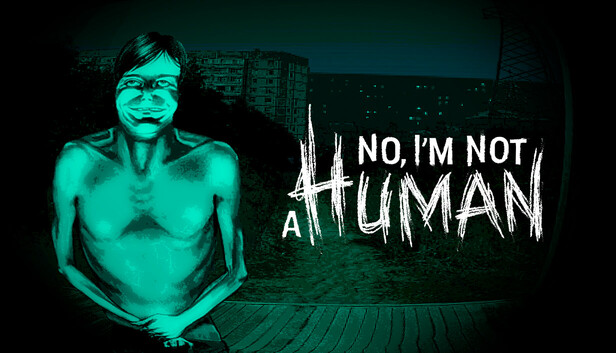
So you've spent a few nights staring at that dreaded door, your heart pounding with every knock. You've meticulously checked IDs, agonized over typos, and felt the chilling paranoia of No, I'm not a Human. Then, the game ends. And the outcome... maybe it wasn't what you expected. Maybe it felt abrupt, or bleak, or confusing.
Here's the first thing you need to understand: this game isn't just a monster-spotting simulator. It's a psychological profiler. Every decision you make—from how you greet the cashier to whether you help a neighbor—is logged, analyzed, and used to build a profile of you. The ending you get isn't random; it's a reflection of the person you chose to be under pressure.
After methodically picking apart the game's branching paths, I've realized the main endings are less about "winning" and more about seeing your own instincts mirrored back at you. Let's break down the four core paths.
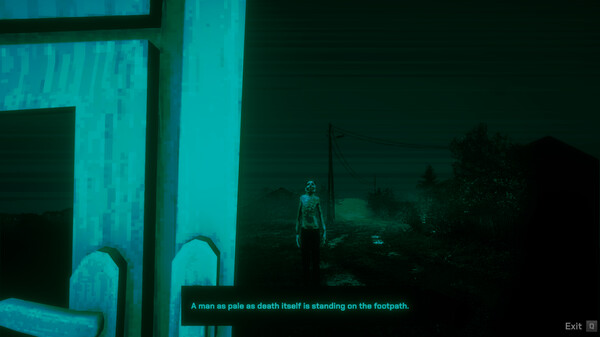
The "Coward's" Ending ("Left Behind"): The Price of Indecision
This ending is almost more tragic than the "Bad" ending. It's the fate reserved for those who are too afraid to even make a choice.
- Abuse the
DelayButton: When faced with a difficult case, you repeatedly let the timer run out instead of committing toAdmitorDeny. - Choose Neutral Dialogue: You avoid taking a stance in conversations, always opting for the non-committal response.
- Freeze During Critical Moments: The game presents time-sensitive choices, and you let them pass by without acting.
The "Aggressive" Ending ("Self-Defense"): The Path of Violence
This path is swift, brutal, and leaves you questioning your own morality. It's for players who believe that the only way to deal with a threat is to eliminate it preemptively.
- Obtain the Weapon: You must follow the specific in-game steps to acquire the defensive weapon.
- Use It: When the opportunity presents itself—often with a character who is aggressive but not necessarily a non-human threat—you choose to use force.
More Than Just the Basics
These four endings are the foundational pillars of the game's narrative structure. They teach you the core lesson: your playstyle matters. But this is just the tip of the iceberg. The real madness begins when you start intentionally breaking the rules to uncover the game's deepest secrets.
Ready to go down the rabbit hole? Our next guide explores the Secret and Hidden Endings of No, I'm not a Human.