🌅 The Beginning of the End
It started innocently enough. My first day in No, I'm not a Human went surprisingly well. I followed the rules, denied the obvious anomalies, and felt confident about my decisions. "This isn't so bad," I thought. How foolish I was.
🧠 Psychology of First-Time Players
What makes the "Left Behind" ending so insidious is how slowly it creeps up on you. Unlike the Aggressive or Truth endings, this one doesn't come from a single catastrophic decision. It comes from a thousand tiny compromises with your own paranoia.
Looking back at my save files (yes, I replayed this section obsessively), I can trace the exact moment things started going wrong. It wasn't a visitor or a strange event - it was a choice I made on Day 3 to trust someone who shouldn't have been trusted.
The First Crack in Trust
A woman arrived at my door with documents that were technically correct. Her ID matched, her story was coherent, and she seemed genuinely distressed about her "lost cat." Everything checked out, but something felt off about her eyes - too calm, too rehearsed.
🔍 The Mistake
I let her in anyway. "Better safe than sorry," I rationalized. "If she's an anomaly, I'll handle it when the time comes."
⏰ Escalation: When Mistakes Compound
The mistake didn't manifest immediately. For two more days, everything seemed normal. The woman - who I later learned was named Miriam - even helped me identify a genuine anomaly who tried to enter on Day 5.
This is the game's cruelest trick: rewarding you for the wrong choice, making you second-guess your instincts.
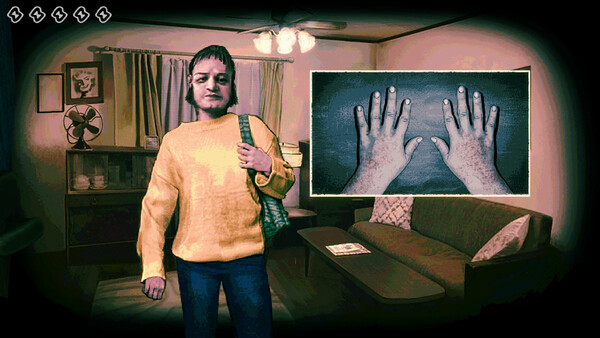
Image: Example of documents that appear legitimate but contain subtle inconsistencies.
📊 Key Decision Point Analysis
Day 3 Decision: Trust Miriam ✓
Impact: +15 trust with anomalous entities
Long-term effect: Reduced ability to detect future anomalies
Hidden consequence: Unlocked "Left Behind" pathway
🔥 Panic Mode: The Final Day
By Day 7, I realized something was deeply wrong. Too many visitors had been let through. The apartment building was... different. Quieter. The other residents had stopped knocking on each other's doors. Even my phone calls to the "outside" were going unanswered.
That's when I discovered the truth: Miriam wasn't just an anomaly - she was recruiting others. And I had unknowingly opened the door for them all.
The Revelation
The final straw came when I tried to leave. The supermarket was empty. Not closed - empty. No customers, no staff, no one. Just rows of perfectly stocked shelves and the sound of my own breathing echoing in the fluorescent light.
I ran back to my apartment and found Miriam waiting for me, sitting in my chair, reading my notes.
🚪 The "Left Behind" Ending
"You did so well," she said, not looking up from my journal. "You held out longer than most do. But you were never really trying to stop us, were you? You just wanted to survive."
That's when I understood the horrible truth: the game wasn't about identifying the anomalies. It was about whether you'd become complicit in their infiltration. And by trusting Miriam, by letting my guard down just once, I had chosen a side.
The screen faded to black. No dramatic confrontation. No last-second rescue. Just the slow realization that I had become the very thing I was supposed to be protecting against.
💡 Lessons Learned: How to Avoid the "Left Behind" Ending
After four more playthroughs (yes, I'm obsessed), I've identified the key mistakes that lead to this ending:
🎯 Critical Avoidance Strategies
- Trust Nothing the First Time: Even helpful anomalies will betray you. There's no such thing as "good anomaly karma."
- Track Your Decisions: Keep a real-time log of who you've let in and why. I now use a spreadsheet system.
- Watch for Compromise: The game tests your resolve by offering small "harmless" exceptions. Never take them.
- Maintain Isolation Protocol: Even helpful visitors create dependency. Stay self-sufficient.
- Recognize the Slow Takeover: By the time you notice the world changing, it's already too late.